Helpful Hints for the Sanitary System
Residents use water in sinks, toilets, and showers. The wastewater flows through household pipes into the public sewer system. From there, it travels to a wastewater treatment plant, where solids are removed and the water is cleaned using physical, biological, and chemical processes. After treatment, the clean water is released back into rivers or the environment, and the waste solids are safely processed or disposed of.
🚨 Sewer Backups: What Residents Should Know 🚨
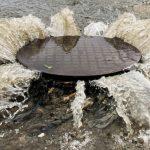
A sewer backup happens when wastewater can’t flow properly through the sewer system and comes back into homes through drains, toilets, or floor drains. While unpleasant, understanding the causes and how to prevent them can make a big difference.
🚧 Common Causes
- Clogged pipes from grease, wipes, paper towels, or hygiene products
- Tree roots growing into sewer lines
- Heavy rain overwhelming the sewer system
- Aging or damaged pipes
🛑 What NOT to Flush or Drain
To help prevent backups, please avoid putting these down drains or toilets:
- “Flushable” wipes (they are not sewer-safe)
- Paper towels or napkins
- Grease, fats, or cooking oil
- Feminine hygiene products
- Diapers or cotton products
🏠 Signs of a Possible Backup
- Slow draining sinks or tubs
- Gurgling sounds from toilets or drains
- Water backing up in lower-level drains
- Sewage odors inside the home
📞 If a Backup Occurs
Immediately avoid using water and report the issue right away to the department of Public Works 973 912 2225 or Springfield Police Dept. after business hours at 973 912 0400.
Working together helps keep the sewer system running smoothly and protects everyone’s homes. Thank you for doing your part!